

A few years ago, choosing a streaming service was simple. You picked one or two, paid a reasonable monthly fee, and always had something to watch.
In 2026, it feels very different. Most of us are now paying for multiple subscriptions, prices keep creeping up, password sharing is no longer a casual thing, and yet we still spend 15–20 minutes scrolling before hitting play. Many people aren’t asking “Which streaming service is better?” anymore. They’re asking: “Which one is actually worth keeping this month?”
Max (formerly HBO Max) and Netflix represent two very different philosophies of streaming. One is built around fewer, bigger, prestige titles. The other is built around endless choice, constant releases, and habit-driven watching. So instead of just comparing features and prices, this guide focuses on the only question that really matters in 2026: Which one fits the way you actually watch TV?
Quick Verdict: Who Should Choose Which?
Before we dive into details, here’s the honest, practical version:
Choose Max if:
- You mainly subscribe for a few big shows each year (like The Last of Us or House of the Dragon)
- You care more about quality and production value than endless choice
- You often subscribe, finish a show, and cancel
Choose Netflix if:
- You open a streaming app almost every day
- You like browsing and discovering random new things to watch
- People in your household have very different tastes
Keep both only if:
- Multiple people in your home watch every day
- You need kids content, casual background shows, and prestige TV at the same time
For everyone else, keeping both all year long is usually just… wasted money.
Pricing in 2026: The Real Cost Isn’t the Monthly Fee
On paper, Netflix still has the cheaper entry point with its ad-supported plan, while Max starts a bit higher. At the premium end, both cost over $20 per month.
But in real life, the real cost isn’t the price — it’s how long you stay subscribed without watching much.
This is where the two services feel very different:
- Netflix is designed to be sticky. There’s always something new, so people keep paying even during months when they barely watch anything.
- Max is easier to treat like a “project-based” subscription. You sign up for one big show, watch it, and cancel.
A lot of people don’t realize how much they overspend on Netflix simply because there’s never a clear “stop point.”
In 2026, smart streaming is less about finding the cheapest plan and more about not paying for months you don’t really use. Before we talk about which one is “worth it,” here’s how their plans actually compare on paper.
Max vs Netflix: At a Glance (2026)
What this actually means in real life: both are expensive, both charge extra for 4K, and neither is “cheap” anymore. The difference is mostly how easy it is to cancel vs how easy it is to forget you’re still paying.
Max Plans (2026)
Bundling Options
- Verizon: Max + Netflix for $10.99/month (select plans)
- Disney Bundle: Max + Hulu + Disney+ from $19.99/month
- DirecTV Stream bundles are also available
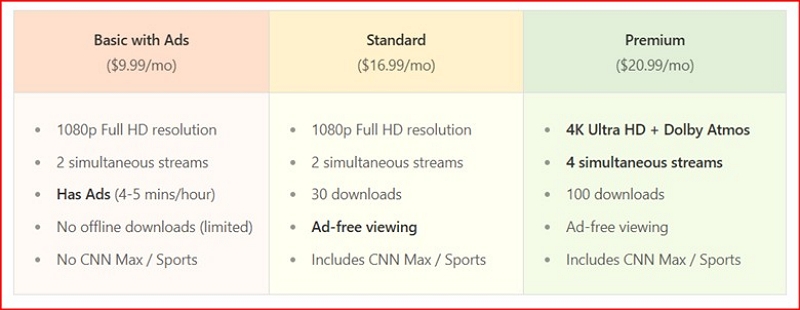
What this means: Max is often easier to justify if you’re already paying for a bundle. On its own, it’s usually something people subscribe to for a specific show rather than keep forever.
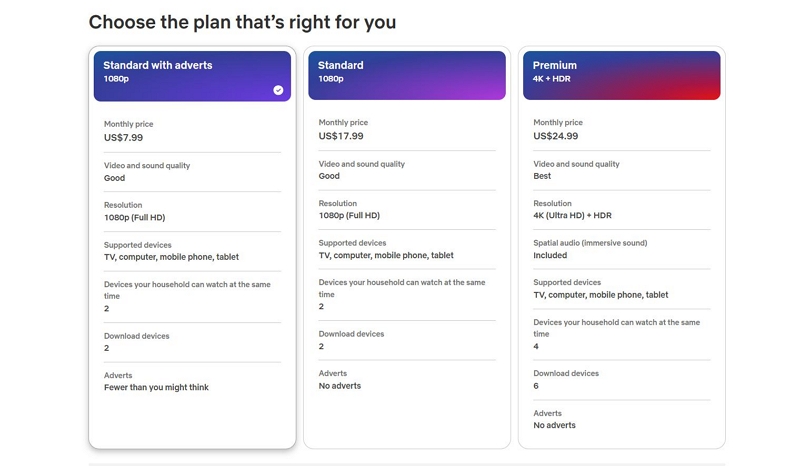
Netflix Plans
Password Sharing
- Netflix enforces household-only streaming.
- Extra members must be added for an additional fee, depending on your plan.
What this means: Netflix looks cheaper at the entry level, but it becomes one of the most expensive services once you want 4K or need to share with more people.
The Bottom Line on Price
- Netflix is cheaper to start.
- Max is easier to cancel.
- Both are expensive if you keep them year-round without thinking.
In 2026, the smartest way to “save money” on streaming isn’t hunting for the perfect plan. It’s simply this:Don’t pay for months you’re not really watching.
Content: Two Completely Different Philosophies
Max and Netflix aren’t just different in size. They’re different in how they expect you to watch.
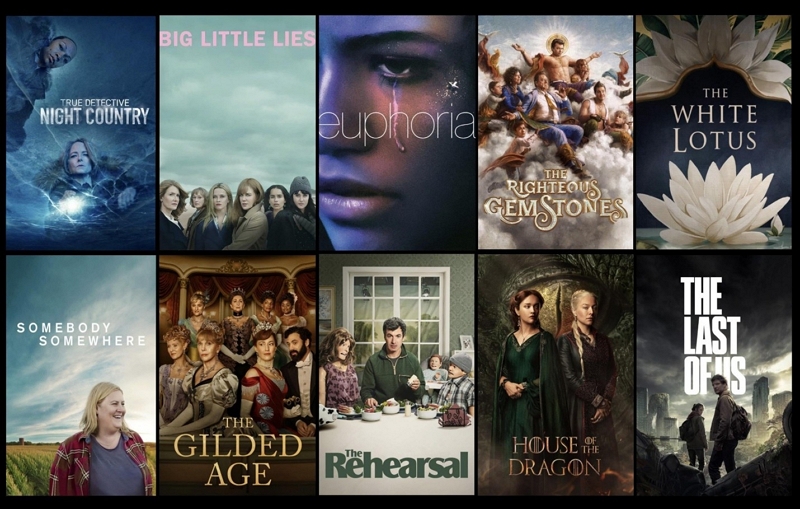
Max Feels Like a Curated Cinema
Max is built around:
- Fewer, bigger, higher-budget shows
- Weekly releases that create anticipation
- Strong focus on HBO-style prestige storytelling and Warner Bros. films
Most of the time, you open Max because you already know what you want to watch. It feels more like going to a cinema: fewer choices, but each one is meant to feel like an “event.”
Netflix Feels Like an Endless Buffet
Netflix is built around:
- Massive volume across every genre and country
- Full-season drops designed for binge watching
- An algorithm that constantly tries to find your next show
Often, you open Netflix without knowing what you want, and let the app decide for you. It feels like an all-you-can-eat buffet: maybe not everything is memorable, but you’ll never run out of options.
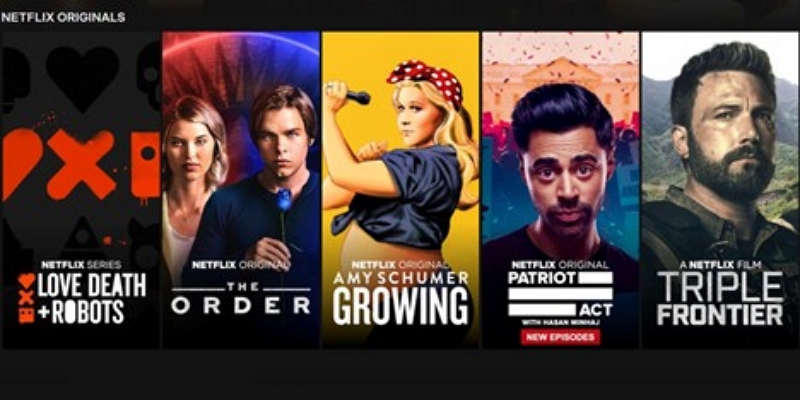
One is built for intention. The other is built for habit.
Daily Experience: How These Apps Actually Fit into Your Life
In daily use, the difference is mostly psychological:
- With Netflix, you usually browse first and decide later.
- With Max, you usually decide first and then open the app.
Netflix is better at answering:“I don’t know what I want. Show me something.”
Max is better at serving:“I’m here for this show.”
For most people, Netflix is still the best at helping you find something when you don’t know what you want. Max’s interface is simpler and more curated, but it relies more on you knowing what you’re looking for.
If you often feel decision fatigue, Netflix can help — but it can also trap you in endless scrolling.
Password Sharing in 2026: Why This Changed Everything
The era of casually sharing one account with everyone is basically over.
- Netflix strictly enforces household rules and charges for extra members.
- Max is a bit looser, but it’s also moving in the same direction.
The real impact isn’t the rules themselves. It’s this: You now have to justify every subscription in your own household budget. That makes the question of “How often do I actually use this?” more important than ever.
Downloads, Offline Viewing, and the Illusion of Ownership
Both Max and Netflix let you download shows to watch offline. But there’s an uncomfortable truth in 2026: You don’t really own anything. You’re just renting access. If you cancel, your downloads eventually stop working.
Some users look for ways to keep access to content after canceling, but that comes with legal and platform-policy risks. For most people, the more realistic solution is simpler: Subscribe, watch what you want, cancel, and move on.
Which One Gives You Better Value? It Depends on What Kind of Viewer You Are
- The Prestige Show Watcher (1–3 big shows per year) → Max
- The Daily Scroller (watches something almost every night) → Netflix
- The Family Household (kids + adults + mixed tastes) → Netflix
- The Subscription Rotator (joins, watches, cancels) → Max
Value in 2026 is no longer about “how much content you get.” It’s about how much you actually watch.
A Simple Way to Decide
Ask yourself:
- Do I watch something almost every day?
- Do I usually subscribe for one specific show?
- Do I hate browsing and just want one great series?
- Do multiple people in my home use the same account?
If you mostly answered “daily, browsing, many tastes” → Choose Netflix
If you mostly answered “specific shows, focused watching” → Choose Max
The Smart Strategy in 2026: Rotate, Don’t Marry
The smartest streaming users in 2026 don’t pledge loyalty to platforms.
They rotate.
- Subscribe to Max when a big Max show drops
- Cancel when it’s over
- Switch to Netflix when you want casual, everyday content
No service today is good enough to deserve your money every single month.
FAQs
Netflix offers the lowest entry point with its ad-supported plan at $7.99/month, while Max starts at
$10.99/month with ads.
For ad-free and 4K tiers, both services cost more than $20/month. Max’s Ultimate plan ($22.99) is
slightly cheaper than Netflix Premium ($24.99).
Verdict: Netflix is cheaper at the base level, but both are similarly priced at the high end.
Max offers 4K HDR and Dolby Atmos on its Ultimate Ad-Free plan, especially for Warner Bros films and HBO
originals.
Netflix also supports 4K HDR and Dolby Vision on its Premium plan, with a broader range of genres and
international titles.
Verdict: Both deliver excellent 4K quality, but Netflix offers more 4K content volume, while Max
focuses on cinematic quality.
Max is frequently bundled with Discovery+, Hulu, or Disney+, and is often included in Verizon or
DirecTV Stream packages.
Netflix has more limited bundling. Some mobile carriers and broadband providers offer it as part of a
package, but this is less common.
Verdict: Max offers more bundling flexibility, making it easier to save if you already subscribe
to other services.
In 2026, the smartest streamer isn’t the person who finds the “best” platform. It’s the person who knows when to cancel. Max and Netflix are both excellent at what they’re designed to do. They just serve very different kinds of viewing habits. So don’t ask which one is better. Ask which one fits your life right now — and don’t be afraid to switch when it no longer does.