

SFlix built its audience on one thing: zero friction. No account, no credit card, no paywall—just paste a title into search and watch. That simplicity is hard to replicate, and a lot of the "alternatives" articles out there miss the point. They recommend Netflix or Disney+, which isn't a replacement for a free site. Or they list a dozen platforms without telling you what the experience actually feels like.
This guide focuses on sites tested with real use—what loads reliably, what the ad situation is actually like, and which platform fits which kind of viewer. It also covers what made SFlix appealing in the first place, so you can find something that genuinely replaces it rather than just existing in the same category.
You Might Also Like
Why SFlix Keeps Going Down (And Why That Won't Change)
SFlix's instability isn't a technical problem—it's a structural one. The site operates without licensing agreements for the content it hosts or links to. That means domain registrars and ISPs can pull access at any time, and the operators respond by spinning up new mirrors or moving to new domains. The cycle repeats indefinitely.
If you've been using SFlix for a while, you've probably noticed the pattern: it works, then it doesn't, then a new domain appears, then that one gets blocked. This isn't going to stabilize. The underlying situation—unlicensed content distribution—doesn't have a resolution that keeps the site permanently accessible.
This matters because it shapes what a real "alternative" means. If you want the same type of site, you're signing up for the same instability. If you want something that actually loads every time you open it, you need to look at legal free platforms—which have genuinely improved a lot in the past two years.
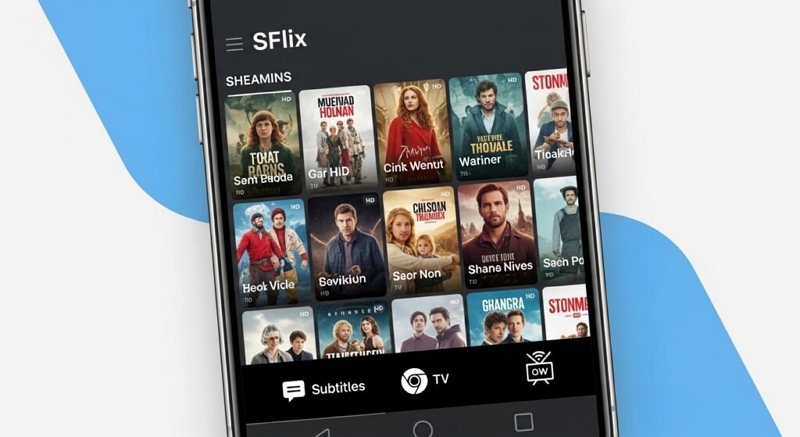
What to Actually Look for in a Replacement
Based on what made SFlix useful, here's what matters in a replacement:
Reliability. The most important factor. A site that works 95% of the time is more valuable than one with a bigger library that works 60% of the time. Legal platforms have a significant structural edge here.
No mandatory account. SFlix's no-login model was a feature, not an oversight. Several legal alternatives (Tubi, Pluto TV, Popcornflix) let you watch without creating an account.
Honest ad experience. Free sites run ads—that's the deal. The question is whether those ads are TV-style (predictable, skippable, finite) or malvertising-style (fake download buttons, redirects, pop-ups that open new tabs). These are completely different experiences, and legal platforms consistently offer the former.
Streaming quality. 720p is acceptable. 1080p is the standard you should expect.
Library depth. Older catalog titles vs. recent releases is a real tradeoff on legal platforms. Knowing which sites are strongest in which areas saves time.
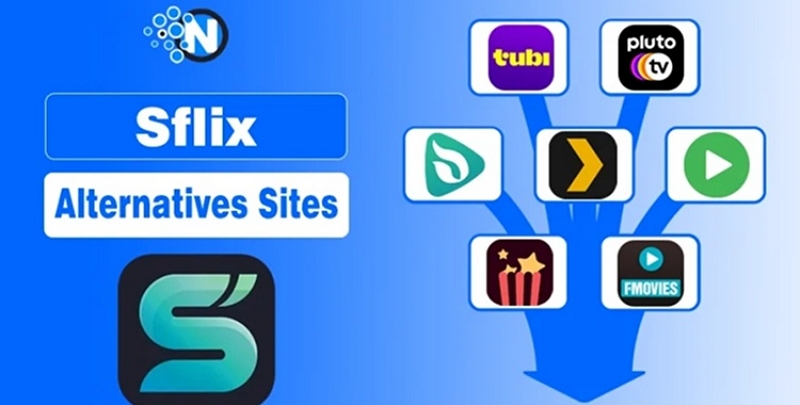
The Best Free SFlix Alternatives in 2026
1. Tubi — Best Overall Legal Alternative
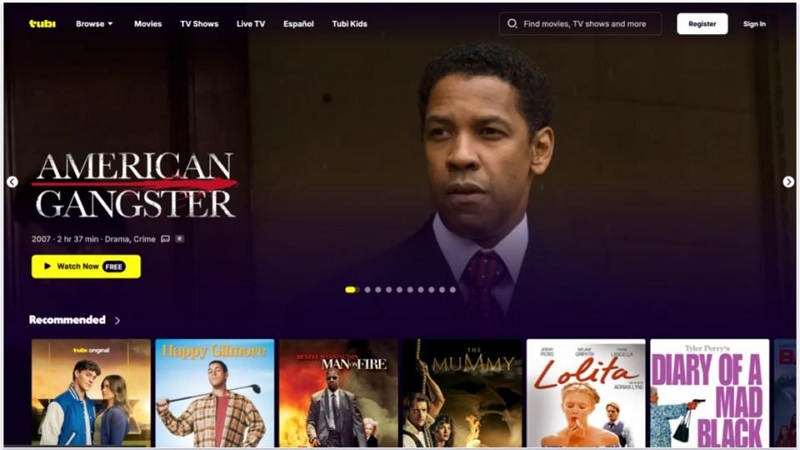
Tubi is the most consistently recommended free legal streaming platform for good reason: it delivers on the core promise. The library is large (tens of thousands of titles), updates regularly, and streams reliably in 1080p.
Real experience: The ad breaks feel like watching cable TV—short, predictable, and they actually end. There are no pop-ups, no fake buttons, no redirects. You click play and the video plays. For viewers coming from SFlix's increasingly unreliable experience, this reliability is genuinely noticeable.
The content skews toward catalog titles rather than current theatrical releases—you won't find something that was in cinemas last month. But the depth in genre categories (horror, documentary, indie drama, classic action) is surprisingly strong. Tubi has made deliberate moves to acquire content that streaming giants pass on, which gives it a distinct catalog rather than just the leftovers.
Tubi has also been expanding its originals quietly—not prestige TV, but solid genre content that you won't find elsewhere. It's worth browsing the "Tubi Originals" section if you've exhausted your usual watchlist.
- Ads: Light, TV-style breaks. No pop-ups.
- Account required: No—full access without signing up.
- Best for: Most SFlix users who want a reliable, safe, no-friction replacement on any device.
2. Pluto TV — Best for Background Watching
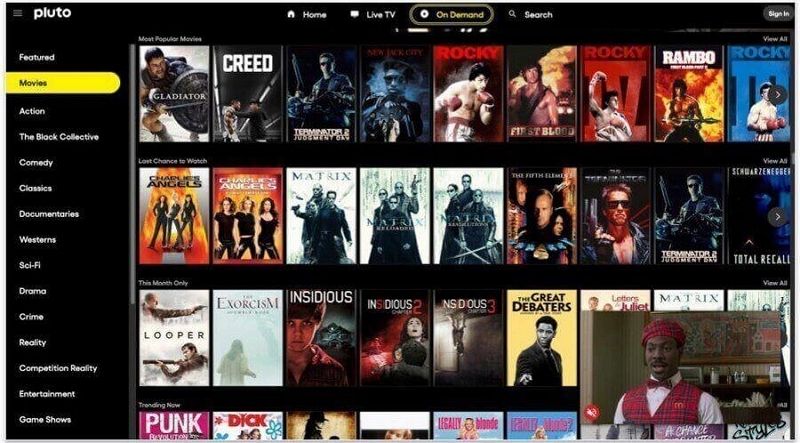
Pluto TV is built differently from other free platforms. Rather than a traditional on-demand library, it's centered around 250+ live channels organized by genre—dedicated movie channels, crime TV marathons, reality TV, retro sitcoms, sports talk. It's designed for passive watching, not searching for something specific.
Real experience: Channel-surfing on Pluto TV genuinely feels different from other streaming services. There's something almost nostalgic about picking a channel and letting it run without making another decision. If you had SFlix running in the background while working or cooking, Pluto TV scratches the same itch. The channel lineup rotates regularly, so returning users consistently find something different.
The on-demand section adds a rotating library of films and series, and quality is consistently 1080p. Ad breaks happen at natural pause points and run for 2–3 minutes—predictable in the way cable TV ads are predictable.
- Ads: TV-style, predictable. No pop-ups.
- Account required: No for basic use; account unlocks cross-device sync.
- Best for: Background watching, genre marathons, viewers who prefer not to constantly pick what's next.
3. Popcornflix — Best for Classic Films
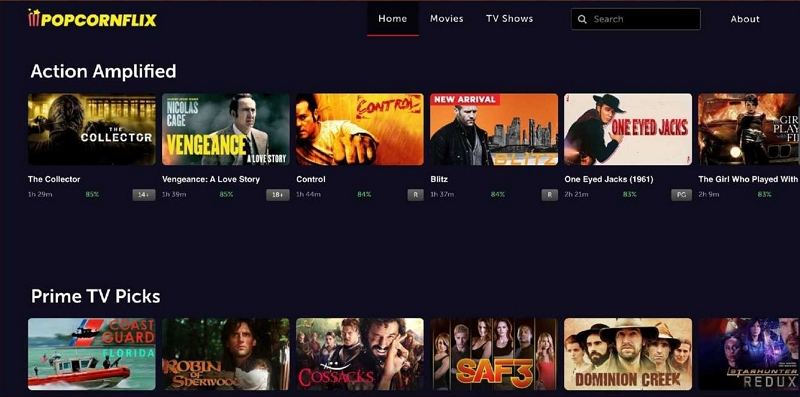
Popcornflix has been around since 2010 and has quietly maintained a solid catalog of classic films, cult favorites, and early-2000s titles. It's not competing with Tubi on library size—it's just a clean, focused movie site.
Real experience: The interface is simpler than Tubi and loads quickly. The catalog won't impress anyone looking for recent releases, but for specific genre fans—particularly classic horror, action B-movies, and early-2000s comedy—it covers a lot of ground. For a rainy afternoon spent rewatching something comfortable from 2003, it's genuinely ideal. Streaming quality is stable at 720p to 1080p depending on the title.
- Ads: Mild to moderate. Banner ads present, but no aggressive pop-ups.
- Account required: No.
- Best for: Classic film fans, comfort rewatches, simple no-frills experience.
4. Plex (Free Tier) — Best Polished All-in-One Experience
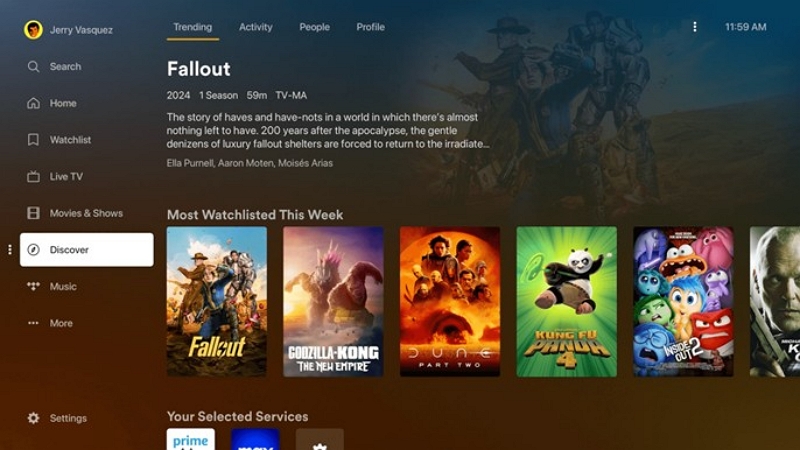
Plex started as media server software for organizing personal movie collections, then added a free streaming layer that's now genuinely substantial. The free tier includes thousands of films, documentaries, and series, plus 150+ live channels, plus the ability to organize and stream your own media files in the same interface.
Real experience: The interface is the most polished of any free option here—it feels like a paid streaming service in design and responsiveness. The catalog depth in documentaries and international cinema is particularly strong, filling gaps where the other free platforms tend to be thin. The personal media integration is unique: if you have your own downloaded files, you can add them to Plex and access everything in one place.
The free tier doesn't include major recent blockbusters, and some titles prompt toward paid rental. Minor friction in an otherwise excellent experience.
- Ads: Light. Short breaks, no pop-ups.
- Account required: Yes—free account, takes about 2 minutes to set up.
- Best for: Users who want the most polished free streaming experience, especially on smart TVs. Also the best option for anyone managing a personal media library alongside streaming content.
If you're organizing your own video collection alongside Plex, a tool like Mediaio Video Converter can help convert files into compatible formats (MP4/MKV) so they import cleanly into your personal library.
5. Yidio — Best for Finding Free Streams Fast
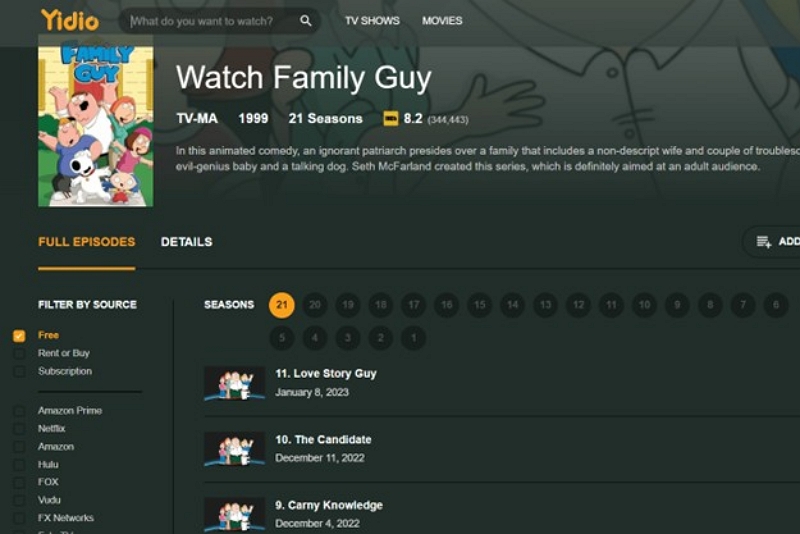
Yidio doesn't host content—it aggregates listings from dozens of platforms and shows you where a specific title is available for free versus what requires a subscription.
Real experience: If you've spent 10 minutes checking Tubi, then Pluto, then Popcornflix for a specific movie, Yidio cuts that to about 30 seconds. Search for a title and it shows you every platform carrying it, filtered by free vs. paid. The actual watching happens on whichever platform hosts it. It's not a streaming service—it's a search layer that makes the fragmented free streaming landscape much more navigable.
- Account required: No.
- Best for: People with a specific title in mind who want to find the best free option without manually checking multiple sites.
Side-by-Side Comparison
Staying Safe on Free Streaming Sites
For legal platforms—Tubi, Pluto TV, Popcornflix, Plex—safety isn't a meaningful concern. They're operated by companies with standard privacy policies and regulated ad networks.
For any unofficial sites beyond this list, three habits make a real difference:
- Use an ad blocker. The primary risk on unofficial streaming sites is malvertising—ads containing malicious scripts or redirects—not the video player itself. uBlock Origin on desktop and Brave browser on mobile block the majority of these automatically. This doesn't make an unsafe site safe, but it dramatically reduces exposure.
- Never install anything prompted by a streaming site. Legitimate browser-based streaming requires nothing to be installed. Any prompt to download a codec update, HD player, or browser extension before watching is a malware vector, not a technical requirement. Close the tab.
- Recognize the red flags. Fake play buttons that open new tabs instead of starting the video, multiple redirects before content loads, and prompts requesting your phone number or email are consistent signals of a bad site. Clean free sites—legal or otherwise—don't need any of this to function.
Which Alternative Should You Actually Use?
The right choice depends on what frustrated you about SFlix:
If it kept going down: Tubi. It loads every time, works on every device, and the ad experience is tolerable. This is where most former SFlix users should start.
If you liked having something running in the background: Pluto TV. The live channel model is genuinely different and works well for passive watching.
If you want the most polished experience: Plex free tier. Interface quality is noticeably better than the other options, and personal media integration is unique.
If you're always searching for something specific: Use Yidio as a search layer on top of whichever services you already use.
If you need content released in the last 3–6 months: None of the fully free legal options reliably cover this. Tubi eventually gets newer content, but if recency is the priority, a low-cost subscription (Peacock's ad-supported tier starts at $7.99/month) is the most direct solution.
The best SFlix alternative is the one that fixes whatever broke your SFlix experience—whether that was constant downtime, intrusive ads, or just needing something that works reliably on your TV.
FAQ
SFlix hosts or links to copyrighted content without licensing agreements, placing it outside the legal streaming ecosystem in most countries. It's not a legitimate streaming platform in the way Tubi or Pluto TV are.
Domain blocks, ISP filtering, and enforcement actions cause intermittent outages. When a domain gets taken down, operators typically move to a new URL or mirror. This cycle is structural and won't stabilize because the underlying business model requires operating outside the licensing system.
Yes. Tubi, Pluto TV, and Popcornflix offer full streaming access without registration. Creating an account on these platforms is optional and unlocks features like watchlists and recommendations.
Yes—no payment information is ever required. They're supported entirely by advertising, which is why ad breaks occur during viewing.
Unofficial streaming sites face the same structural pressures as SFlix—domain blocks, takedowns, and mirror fragmentation. Legal alternatives have improved significantly in 2025–2026, with larger libraries and better interfaces than they had two or three years ago. The quality gap between legal free streaming and unofficial sites is smaller than it used to be.